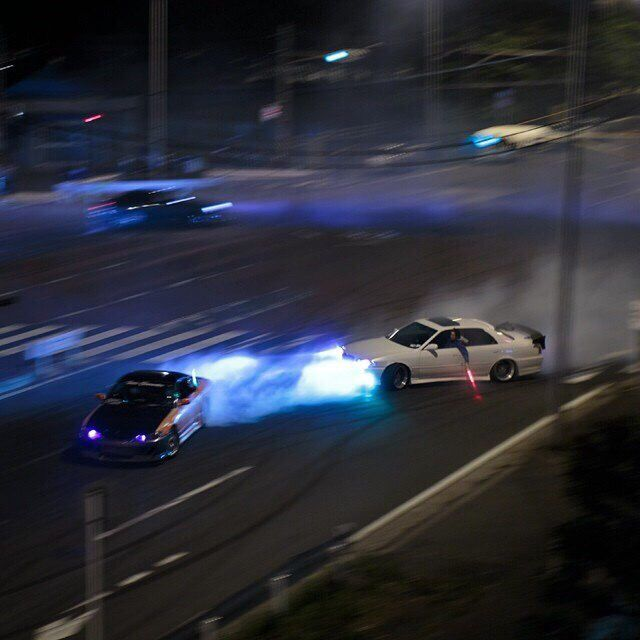
The Underground World of street racing in Tokyo
Tokyo's neon-lit streets conceal a secret world of high-speed underground street racing. Among the many groups, the Midnight Club stands out as the most legendary and enigmatic, dominating Tokyo's highways from the late 1980s to the late 1990s and leaving a lasting impact on automotive culture. The Midnight Club, or Mid Night Racing Team, was founded in 1987 by a group of passionate car enthusiasts who sought to push the limits of speed and performance. The club's founders, including notable figures like Yoshida, Kato, Terazawa, and Yamada, were united by their love for high-performance vehicles and their desire to race on the open roads. They initially raced on the Tomei Expressway but soon moved to the Wangan Bayshore Route, a 37-mile stretch of highway along Tokyo's coast, which became their primary battleground What set the Midnight Club apart from other street racing groups was their strict code of ethics. Members were required to adhere to a set of rules that prioritized safety and respect. They were forbidden from endangering other motorists or pedestrians, and reckless behavior was not tolerated. This code of conduct earned them a level of respect, even from law enforcement, despite the illegal nature of their activities. The Midnight Club was known for its highly modified cars, capable of reaching speeds in excess of 200 mph. Iconic models like the Nissan Skyline GT-R, Mazda RX-7, and Toyota Supra were common among members, each customized with turbochargers, aerodynamic kits, and advanced suspension systems. These cars were not just about raw power; they were meticulously engineered to handle the high speeds and intense conditions of street racing. Maintaining secrecy was crucial for the Midnight Club. Meetings were clandestine, often advertised through coded messages in newspaper classifieds. Members identified each other with special bumper stickers that read "Mid Night Car Special" or "Mid Night Racing Team," and any non-member caught using these stickers would face severe consequences. This level of secrecy added to the mystique and allure of the club. The Midnight Club's reign came to an abrupt end in 1999 following a tragic accident involving a group of bikers. The incident led to increased police scrutiny and pressure, forcing the club to disband. Despite their dissolution, the legacy of the Midnight Club lives on, inspiring countless stories, films, and video games that celebrate their daring exploits and unmatched driving skills. The Midnight Club's influence extends far beyond the streets of Tokyo. They have become a symbol of the golden age of Japanese street racing, inspiring manga, anime, and even video games like the "Wangan Midnight" series. Their story is a testament to the thrill of speed, the camaraderie of the racing community, and the relentless pursuit of perfection in automotive engineering. The Midnight Club remains one of the most iconic and respected groups in the history of street racing. Their commitment to safety, engineering excellence, and the thrill of the race set them apart from other underground racing teams. While their era may have ended, the legend of the Midnight Club continues to captivate and inspire car enthusiasts around the world.